Pierre Weber Riesling Grand Cru "L" Eichberg 2022
Pierre Weber spent his twenties running from the family business — son of an oenologist, grandson of a vigneron, and working as an environmental engineer on Paris's climate plan. Then he did a harvest in 2018, and that was that. He came home to Husseren-les-Châteaux, took over his grandfather's four hectares of high-altitude clay and limestone (a good chunk of it Grand Cru Eichberg), and started farming biodynamically. In the cellar he works like an engineer: long gentle pressings, native yeasts, aging on fine lees, bottled unfined, unfiltered, without added sulfites. The result is a Riesling of startling clarity that has nothing to do with the heavy, perfumed cliché of Alsace. Production is tiny, and only a trickle makes it to the West Coast.
Product Information
Product Information
Shipping & Returns
Shipping & Returns
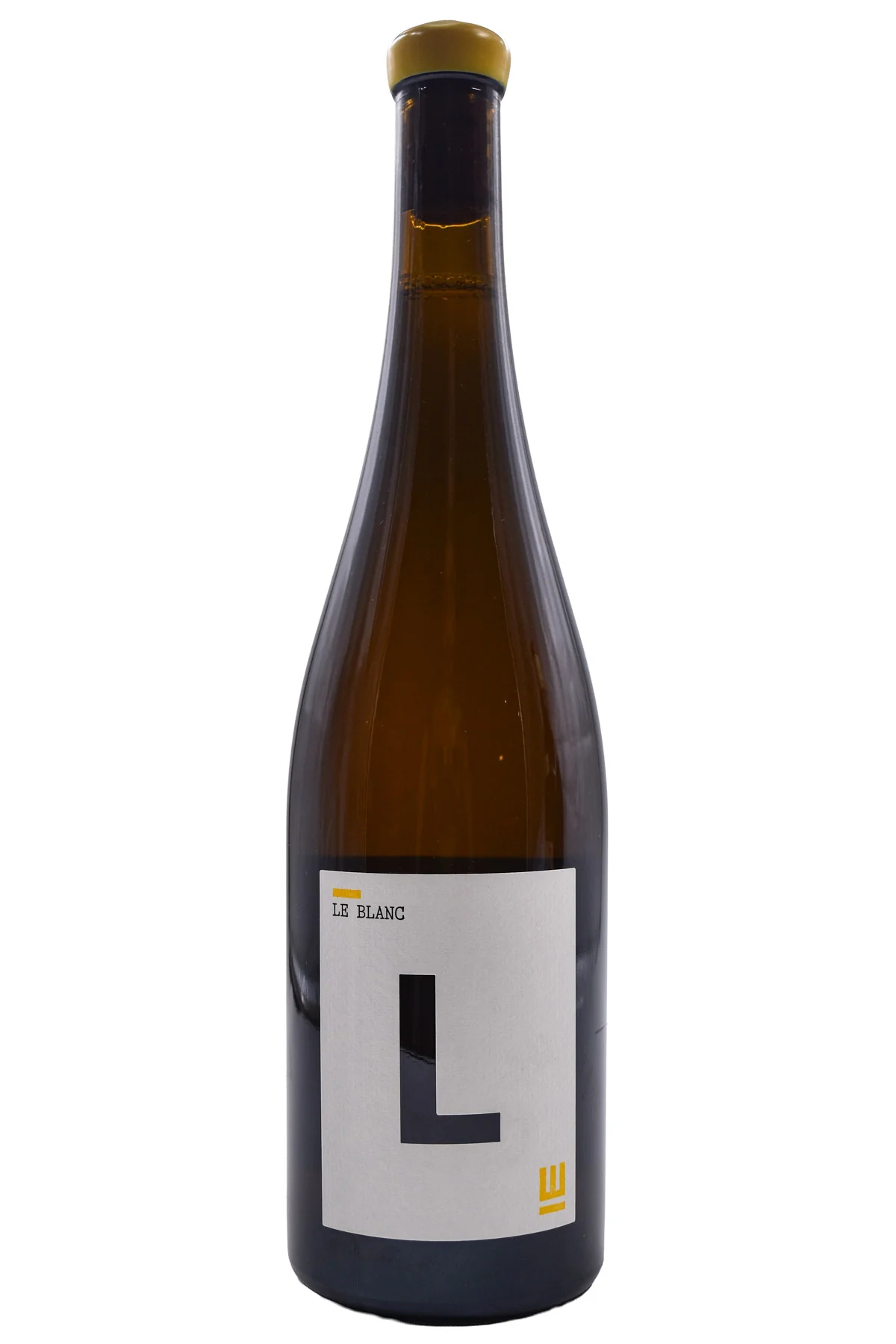
Pierre Weber Riesling Grand Cru "L" Eichberg 2022
Pierre Weber Riesling Grand Cru "L" Eichberg 2022
Pierre Weber spent his twenties running from the family business — son of an oenologist, grandson of a vigneron, and working as an environmental engineer on Paris's climate plan. Then he did a harvest in 2018, and that was that. He came home to Husseren-les-Châteaux, took over his grandfather's four hectares of high-altitude clay and limestone (a good chunk of it Grand Cru Eichberg), and started farming biodynamically. In the cellar he works like an engineer: long gentle pressings, native yeasts, aging on fine lees, bottled unfined, unfiltered, without added sulfites. The result is a Riesling of startling clarity that has nothing to do with the heavy, perfumed cliché of Alsace. Production is tiny, and only a trickle makes it to the West Coast.
Product Information
Product Information
Shipping & Returns
Shipping & Returns
Description
Pierre Weber spent his twenties running from the family business — son of an oenologist, grandson of a vigneron, and working as an environmental engineer on Paris's climate plan. Then he did a harvest in 2018, and that was that. He came home to Husseren-les-Châteaux, took over his grandfather's four hectares of high-altitude clay and limestone (a good chunk of it Grand Cru Eichberg), and started farming biodynamically. In the cellar he works like an engineer: long gentle pressings, native yeasts, aging on fine lees, bottled unfined, unfiltered, without added sulfites. The result is a Riesling of startling clarity that has nothing to do with the heavy, perfumed cliché of Alsace. Production is tiny, and only a trickle makes it to the West Coast.