Carl Loewen Longuicher Riesling Erste Lage Trocken Maximin Herrenberg 1896 Alte Reben 2024
The '1896' on this label is a birth year: these are ungrafted Riesling vines planted in the Maximin Herrenberg in 1896, which makes them some of the oldest living Riesling vines on the planet. They survived the phylloxera louse that wiped out most of Europe's original rootstock, and they still cling to a rare band of red slate on a steep, south-facing Mosel slope. Christopher Loewen ferments the juice with wild yeasts, raises it in big old oak casks, then bottles it bone-dry. The result is intense, mineral and almost weightless, a living piece of viticultural history in a glass. This is Mosel Riesling at its most profound.
Product Information
Product Information
Shipping & Returns
Shipping & Returns
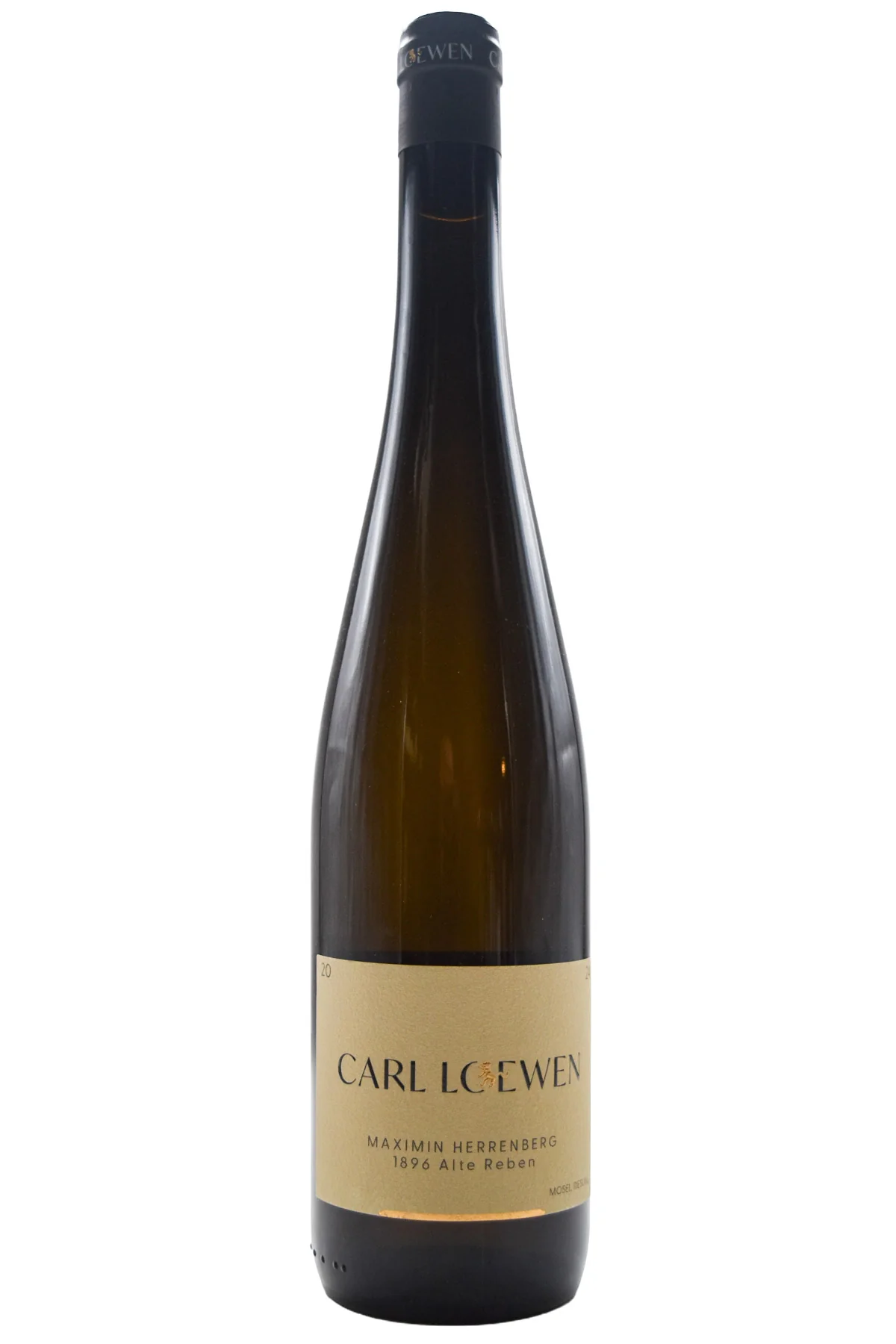
Carl Loewen Longuicher Riesling Erste Lage Trocken Maximin Herrenberg 1896 Alte Reben 2024
Carl Loewen Longuicher Riesling Erste Lage Trocken Maximin Herrenberg 1896 Alte Reben 2024
The '1896' on this label is a birth year: these are ungrafted Riesling vines planted in the Maximin Herrenberg in 1896, which makes them some of the oldest living Riesling vines on the planet. They survived the phylloxera louse that wiped out most of Europe's original rootstock, and they still cling to a rare band of red slate on a steep, south-facing Mosel slope. Christopher Loewen ferments the juice with wild yeasts, raises it in big old oak casks, then bottles it bone-dry. The result is intense, mineral and almost weightless, a living piece of viticultural history in a glass. This is Mosel Riesling at its most profound.
Original: $59.99
-65%$59.99
$21.00Product Information
Product Information
Shipping & Returns
Shipping & Returns
Description
The '1896' on this label is a birth year: these are ungrafted Riesling vines planted in the Maximin Herrenberg in 1896, which makes them some of the oldest living Riesling vines on the planet. They survived the phylloxera louse that wiped out most of Europe's original rootstock, and they still cling to a rare band of red slate on a steep, south-facing Mosel slope. Christopher Loewen ferments the juice with wild yeasts, raises it in big old oak casks, then bottles it bone-dry. The result is intense, mineral and almost weightless, a living piece of viticultural history in a glass. This is Mosel Riesling at its most profound.